
The Landscape Transformation: 1850s-1890s
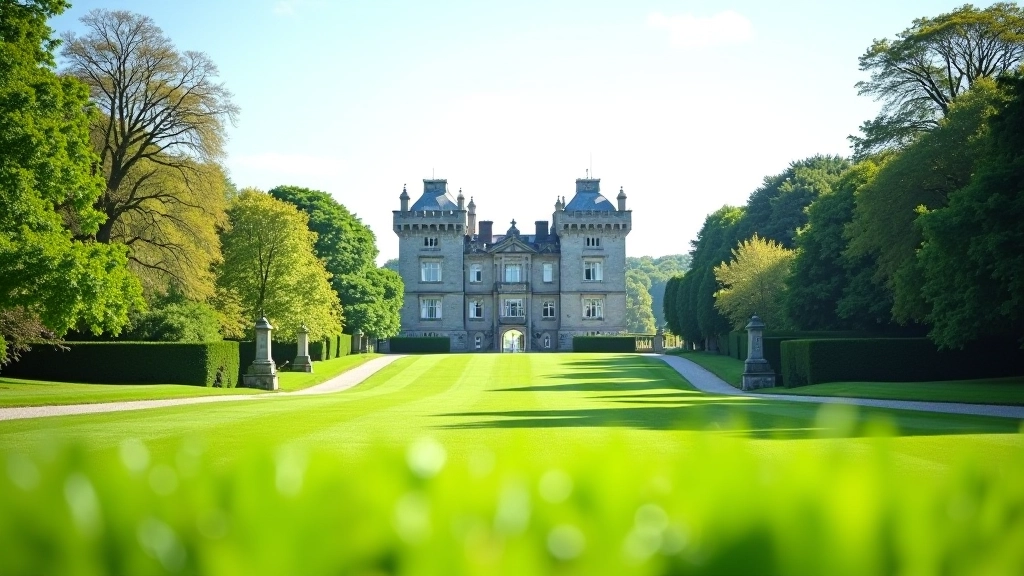
Before the Victorians got their hands on it, this land was mostly rough parkland. The family needed something grander. Something that reflected their status. So they hired landscape architects — professionals trained in the picturesque movement, a design philosophy that tried to make artificial landscapes look naturally beautiful.
The first major change was the lake. It wasn't natural. The engineers dammed up the stream and created an 8-hectare water body. This took years. They had to move massive amounts of earth, install drainage systems, and figure out how to maintain water levels. But once it was done, the entire character of the estate changed. Suddenly there was reflection, movement, a focal point that drew your eye.
Key Design Elements
- 8-hectare lake created through damming (1850s)
- Winding paths designed for specific views
- Mixed woodland screening for privacy
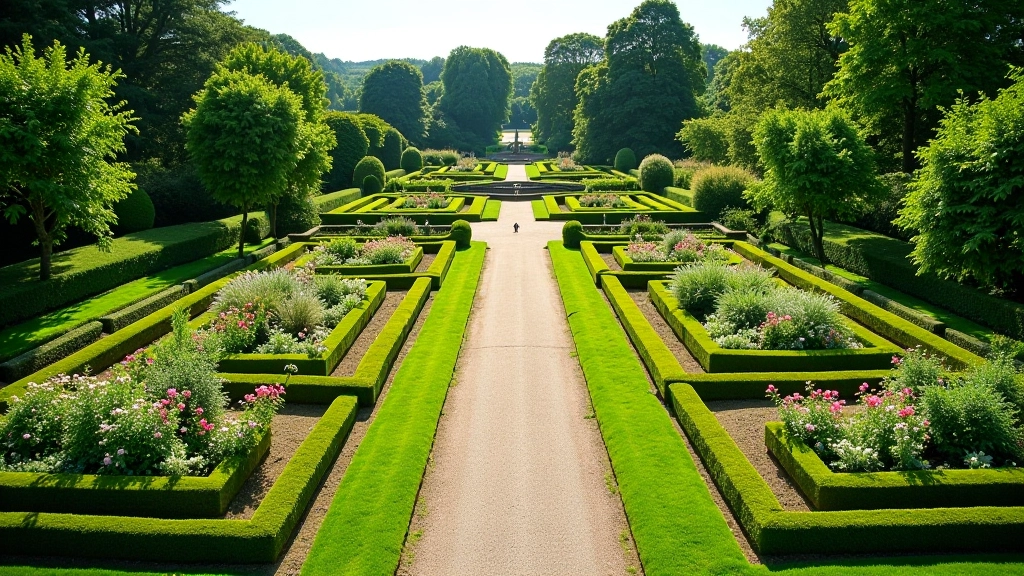
- Formal gardens near house, naturalistic beyond
Garden Design: The Victorian Approach
The gardens closest to the castle show Victorian design at its most deliberate. Symmetry matters here. Beds are arranged in geometric patterns. The planting scheme follows color theory — complementary colors placed to maximize visual impact. It's not random. Every flower position is calculated.
But walk further out, and the design loosens. The Victorian designers understood something we sometimes forget: contrast makes things interesting. Tight formal spaces make loose naturalistic spaces feel more peaceful. Dense woodland makes open meadows feel more expansive. They weren't just planting — they were choreographing the entire experience of moving through the grounds.
Restoration in the Modern Era
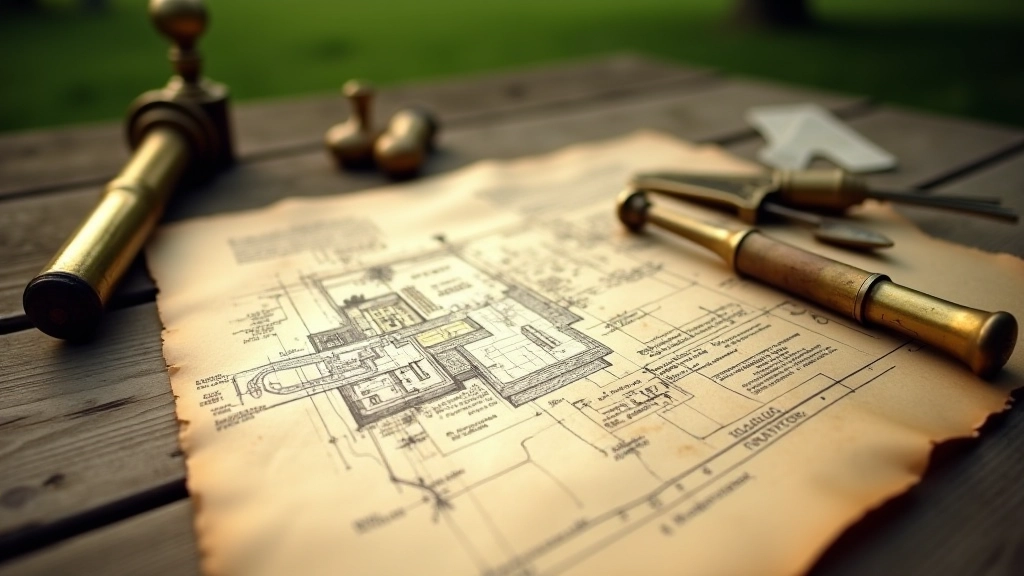
The gardens have been through cycles of neglect and revival. The 1970s and 1980s weren't kind to Victorian estates. Many were abandoned or fell into poor condition. Johnstown Castle was no exception. But in the 1990s, serious restoration work began. Historians studied old plans. Horticulturists identified what species were originally planted. The team worked to recreate the original vision while adapting for modern maintenance and climate challenges.
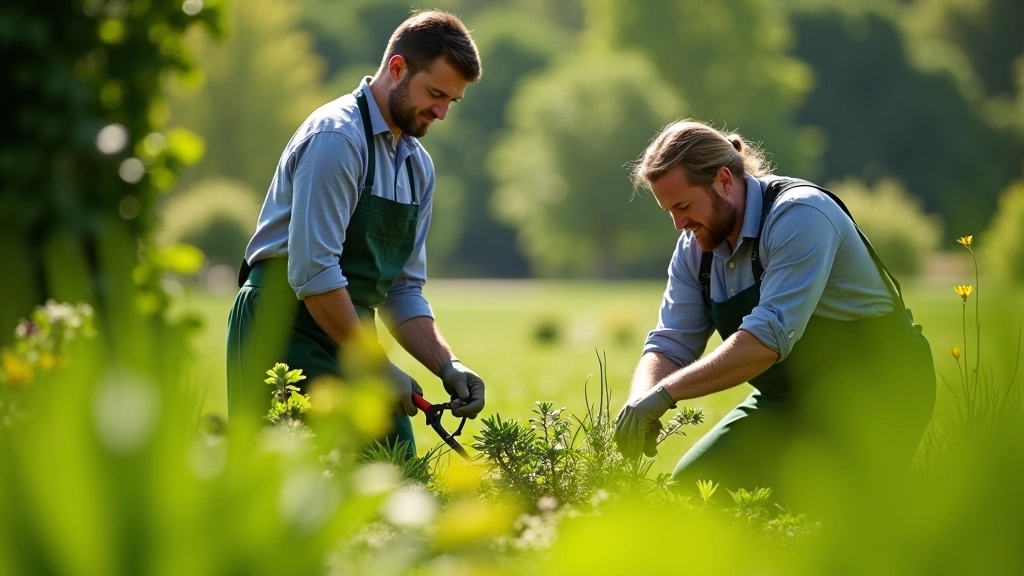
This kind of restoration is painstaking work. You're not just planting flowers. You're researching historical records, understanding soil composition, learning which Victorian varieties still exist in nurseries. Some plants had to be sourced from heritage gardens. Some had to be reintroduced through careful propagation. It's detective work combined with horticulture.
Water Features: The Lake Walk Design
The lake circuit is 2.5 kilometers around. That's not accidental. The Victorians understood distance, time, and how it affects experience. A 30-minute walk is long enough to feel like an expedition but short enough to complete before energy flags. They positioned seating areas at strategic points — not just where people get tired, but where the view is best.
The path itself was engineered carefully. It's not straight. It curves. Trees screen parts of the lake, then suddenly you round a bend and get an open view. This technique — revealing and concealing in sequence — comes directly from 18th-century landscape theory. The designers weren't inventing this. They were working from a proven aesthetic formula that actually works on human psychology. The mystery of what's around the next bend keeps you walking.
Wildlife Corridors by Design
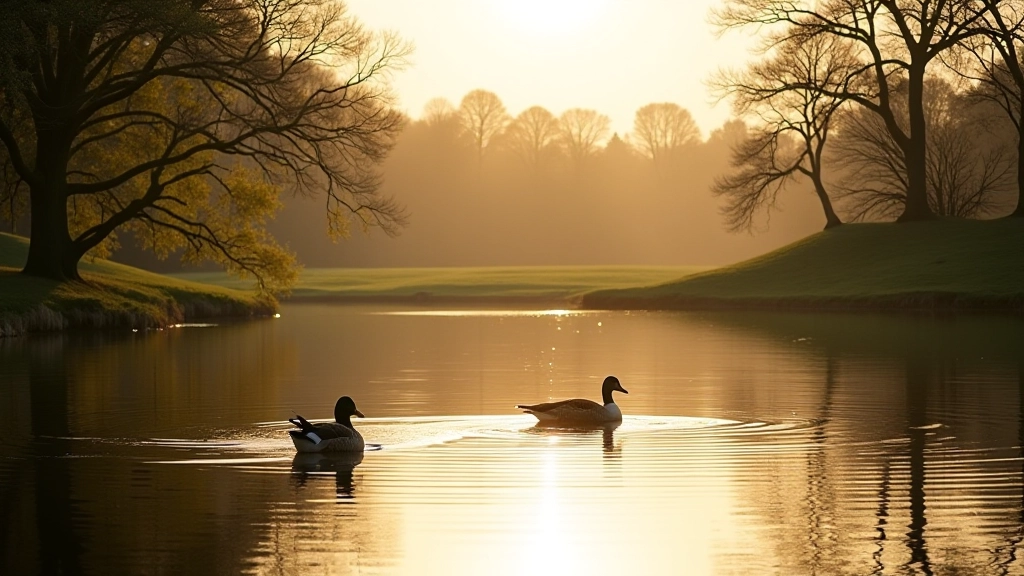
Modern conservation has rediscovered what Victorian designers accidentally created: wildlife corridors. The woodland belts, the water features, the mixed habitats all support biodiversity. Waterfowl thrive here. Trees provide food and shelter for birds. The lack of intensive agriculture means soil health supports insects and plant diversity.
This wasn't deliberate conservation — it was a side effect of making something beautiful. But it's an important reminder that good design often serves multiple purposes. What looked beautiful to Victorian eyes turns out to be ecologically sound by modern standards.
About This Article
This article provides historical and educational information about the landscape design and restoration of Johnstown Castle estate. Information is based on historical records, conservation research, and public heritage resources. Specific details about techniques, timelines, and design decisions reflect current historical understanding, though interpretations may evolve as new research emerges. For detailed historical information or guided tours focusing on landscape history, contact the estate directly.
What the Landscape Reveals About Victorian Values
You can read the Victorian era through landscape design. The formal gardens near the house? That's about control and order — the idea that civilization should dominate nature close to home. The naturalistic parkland beyond? That's Romanticism — the belief that nature, when arranged correctly, is beautiful and restorative. These two impulses in constant tension define Victorian aesthetics.
The estate also shows wealth and leisure time. Creating and maintaining these grounds required armies of gardeners, laborers, and groundskeepers. The lake alone needed constant maintenance. The fact that people could afford this reflected their status. Today we might see it as excessive, but understanding it historically helps us appreciate both the beauty and the economics behind what we see.
Modern Lessons from Historic Design
Walking these grounds teaches you something about good design. The paths work. The views are considered. The proportions feel right. The transition from formal to informal makes sense. These aren't coincidences. They're the result of deliberate choices based on principles that still apply.
Modern landscape architects study Victorian estates for exactly this reason. The techniques — sight lines, focal points, the use of vegetation to frame views, the careful balance between openness and enclosure — these are timeless. Fashion changes. Specific plants go in and out of favor. But the underlying principles of good landscape design? Those haven't really changed in 150 years.
The Restoration Journey Continues
The work of maintaining and restoring these grounds never really ends. Climate change brings new challenges. Pests and diseases evolve. Old paths need rebuilding. Heritage plant varieties need propagating. It's an ongoing conversation between historical preservation and practical management. The people working here now are continuing a project that started 170 years ago. They're thinking about what the next generation will find when they walk through these gardens.
That continuity matters. It's why understanding the history helps. When you know the lake was engineered, the paths deliberately curved, the gardens carefully composed, you appreciate the grounds differently. You're not just seeing nature — you're seeing the intelligence and care that shaped it.