
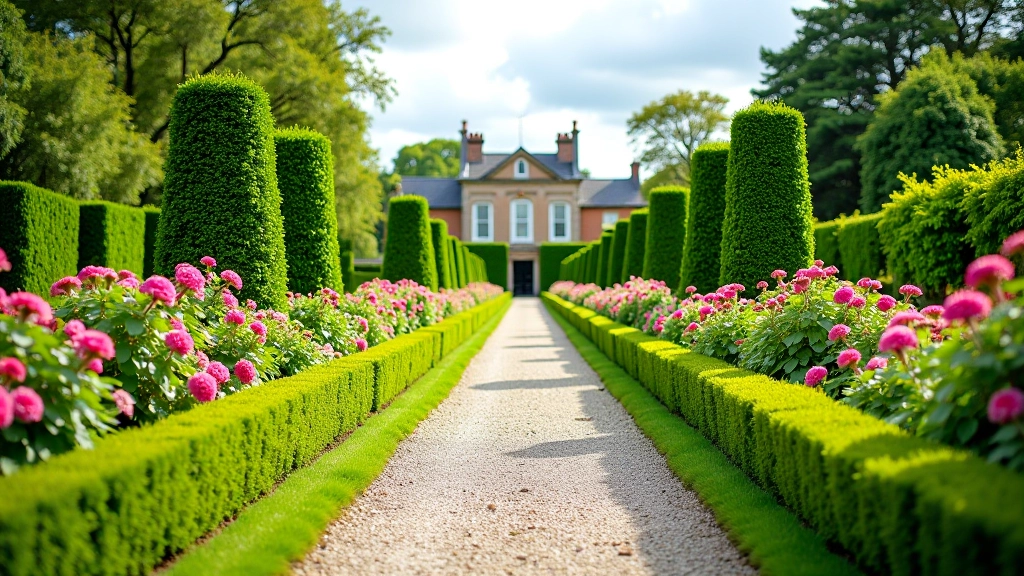
Spring: A Garden Awakens
Spring at Johnstown Castle is like watching the gardens open their eyes after a long sleep. It's not subtle — the transformation happens almost overnight. By late March, the first daffodils push through, those cheerful yellows that seem to glow even on grey mornings.
The magnolia trees are the real stars though. We're talking about massive pink and white blooms that smell incredible — sweet but not overpowering. They don't last long, maybe two or three weeks, so if you visit in spring, catch them while you can. The cherry trees follow soon after, creating these soft clouds of white and pink throughout the walled gardens.
Spring Peak Months
March through May brings the most dramatic transformation. Daffodils (late March), magnolias (early April), cherries (mid-April), and tulips (late April) create waves of color across different areas of the estate.
What You'll Actually See
Walking the gardens in spring feels different from other seasons. The paths are busier — visitors know what's happening. But here's the thing: you don't need to time it perfectly. Even if you miss the peak bloom by a week or two, there's always something flowering. Bluebells carpet the woodland areas in late April. Forget-me-nots create these blue hazes near the water features. Primroses and hellebores fill in gaps with cheerful yellows and purples.
The smell matters too. Spring gardens aren't just visual. Hyacinths come with this intense, almost grape-like fragrance. Daphne flowers smell like someone bottled pure springtime. Even the fresh growth — new leaves unfurling — has that green, earthy scent that makes you feel alive.
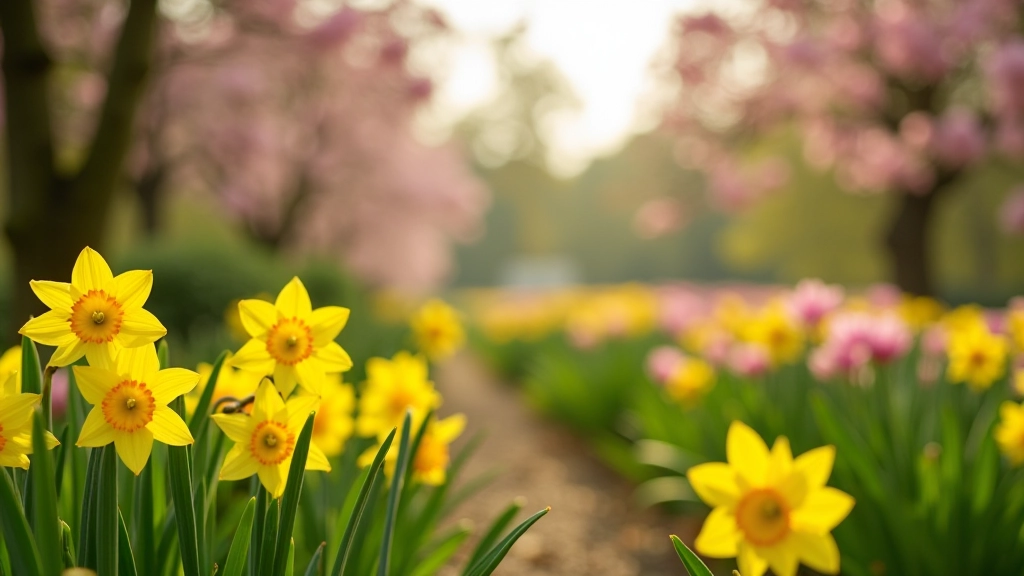
Summer: Full Color and Movement
By June, the garden's changed completely. Spring flowers fade (except the tough ones), and the roses take over. And we're not talking about a few scattered blooms — the rose garden becomes almost overwhelming in the best way. Reds, pinks, creams, oranges, yellows. Climbing roses cover pergolas. Shrub roses fill entire beds. Some smell incredible, others less so (that's just how roses work), but they're everywhere.
Summer's also when you notice the garden's structure more. The hedges are fully green and sculptural. Topiary shapes become more obvious. Herbaceous borders — those plants that flower in summer — create layers of texture and color. Delphiniums reach up with their tall blue spires. Lavender blooms in purples and whites, and yes, the bees absolutely love it. You'll hear them before you see them.
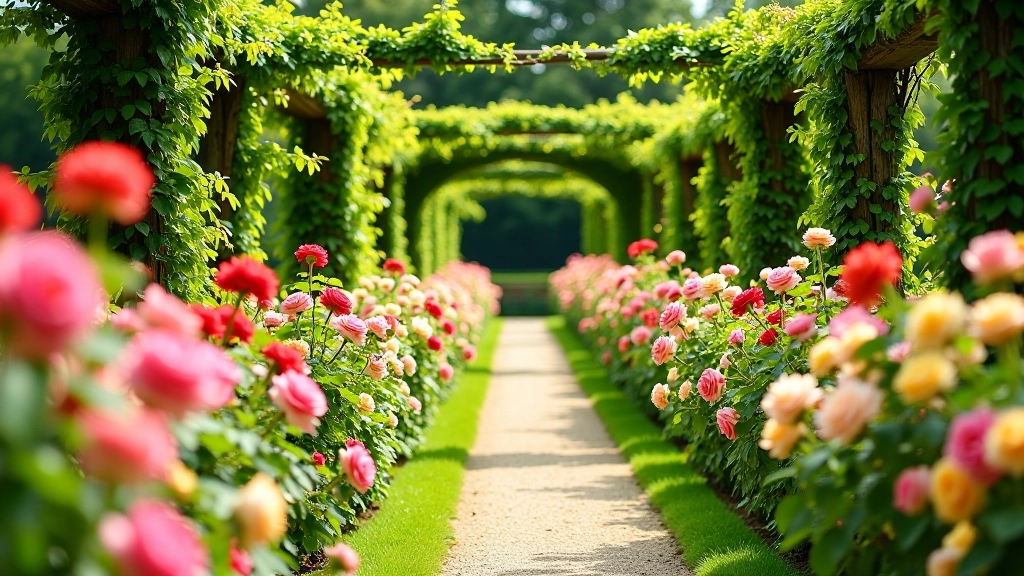
The Garden at Its Peak
July and August are the garden's fullest months. Everything's flowering, everything's green, and the whole place feels lush. It's warmer, so you'll actually want to sit on the benches scattered throughout. There are shaded areas under the trees where it's cool, and sunny spots where the warmth feels good.
Dahlias start appearing in late July — those flowers that look almost artificial because they're so perfectly structured. Coneflowers (echinacea) bloom in pinks and purples. Ornamental grasses start showing their feathery plumes. The water features matter more in summer too. The lake reflects all that green and blue sky, and on a warm day, it's genuinely peaceful.
Autumn: Color Shift and Structure
Autumn's when people often miss the gardens, and that's a mistake. Sure, the summer flowers fade, but something else starts happening. The foliage changes. Trees turn from solid green to these incredible reds, oranges, and yellows. The change isn't gradual either — it accelerates as the days get shorter and temperatures drop. By late September, the whole landscape looks different.
The berries come in autumn too. Rowan trees turn orange-red. Hawthorn berries glow scarlet. Holly plants get their red berries (assuming the birds haven't stripped them already). Ornamental grasses that looked like green mounds in summer now show their true structure — golden, copper, and bronze colored plumes that catch the light. Asters and chrysanthemums flower in late autumn, giving you more color right through October and into November.
Autumn Timing
September and October offer the most dramatic foliage. Peak color usually hits mid-to-late October, depending on weather. By November, most trees have dropped their leaves, but that's when the garden structure becomes visible — evergreens, topiary, and hardscape features take center stage.
The Light Changes Everything
Autumn light is different from summer light. It's lower in the sky, warmer in tone, and it catches things differently. A tree with autumn foliage that looks nice in midday sun becomes spectacular at morning or late afternoon when the light comes through at an angle. The shadows are longer, the contrasts sharper.
This is actually a great time to photograph the gardens if you're into that. The light's better, the colors are more dramatic, and there are fewer crowds. Walking the paths in autumn, you'll see details you might miss in summer — the way hedges are shaped, architectural features in the garden, the bones of the design that's hidden by foliage the rest of the year.
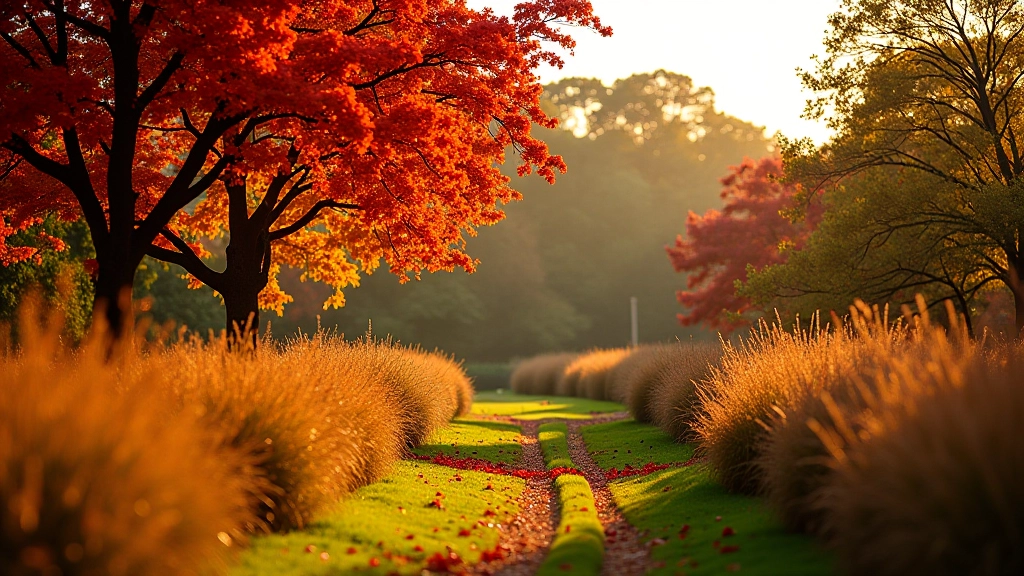
Winter: The Garden's Hidden Design
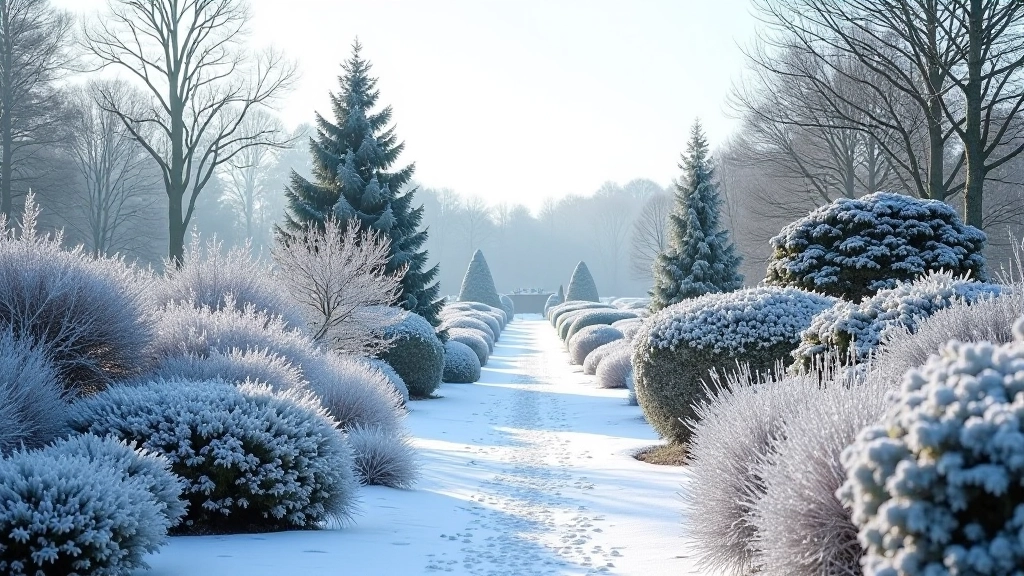
Winter's when most people skip visiting, but you're missing something important. Without the foliage covering everything, you see what the garden actually looks like. The layout becomes clear. Topiary shapes — those clipped hedges and shrubs sculpted into forms — are fully visible. The hardscape features matter more: paths, walls, steps, water features, benches. It's like the garden's showing you its skeleton.
There's still color in winter, just not what you'd expect. Evergreens — hollies, yews, conifers — provide green. Some ornamental bark shows up: golden stems, red twigs, that kind of thing. Winter-flowering plants like winter-flowering heathers, hellebores, and winter jasmine flower in quiet ways. They're not showy, but they're there if you look. The frost and occasional snow add visual drama too — ice crystals on grass, frost on leaves, everything crystalline and clean.
Why Winter Matters
Walking the gardens in winter actually teaches you about how they're designed. You notice sight lines you'd miss in summer. You see where the designer placed focal points — statues, urns, views back to the castle. You understand the bones of the place.
Winter's also peaceful. You'll probably have the paths mostly to yourself. The air's crisp and clean. The quiet is almost surprising after the buzzy energy of summer. It's a good time for reflection, for noticing details, for understanding what makes these gardens special beyond just the flowers.
Visit in Every Season
Here's what we'd suggest: don't just visit once. The gardens are genuinely different in spring, summer, autumn, and winter. Each season tells a different story. Spring's about hope and fresh starts. Summer's about abundance and energy. Autumn's about change and letting go. Winter's about structure and quiet beauty.
If you visit in spring, you'll see color and smell flowers. Come back in summer for the full lush experience. Return in autumn to see how the light changes everything. And don't skip winter — that's when you'll understand the design and maybe even appreciate the gardens more deeply. Each visit reveals something different, something you couldn't have known without seeing it yourself.
Information Note
The seasonal timing and flowering periods described here are based on typical Irish growing conditions and weather patterns. Actual bloom times may vary year to year depending on temperature, rainfall, and weather conditions. We recommend checking current estate information or contacting the castle directly before planning your visit to confirm what's currently in bloom. Garden maintenance and landscaping projects may occasionally affect access to specific areas.