

Why These Trails Matter
The parkland at Johnstown Castle isn't just beautiful — it's a genuine network of walking routes that've been developed over centuries. Thing is, most visitors don't realize there are actual trails here, not just random wandering.
We've spent time mapping out which paths work best depending on your fitness level and how much time you've got. Whether you're walking with young kids or you're training for longer hikes, there's something here that'll suit you. The routes range from 15-minute loops to full 90-minute circuits through the deepest woodland.
The Four Main Routes
We've identified four distinct walking routes that cover the estate. Each one offers different scenery and difficulty levels. The shortest is the Woodland Edge Loop at 1.2 kilometers — takes about 20 minutes at a leisurely pace. It's perfect if you've got kids or you just want a quick stroll before lunch.
Then there's the Lake Circuit, which is our most popular route. It's 2.8 kilometers and takes most people about 45 minutes. You'll see the water from multiple angles, spot waterfowl, and get views back toward the castle. The path is well-maintained but does have some uneven sections near the water's edge.
For something more substantial, the Woodland Deep Walk covers 4.1 kilometers through the oldest part of the estate. You're looking at 70-90 minutes depending on your pace. The paths narrow here, tree cover is dense, and you'll encounter the steepest gradient on the property.
Pro tip: The Full Estate Circuit combines all three main routes into one 6.5-kilometer journey. Takes about 2.5 hours. Most people do this on a weekend when they've got time to really explore.
Routes for Families & Younger Walkers

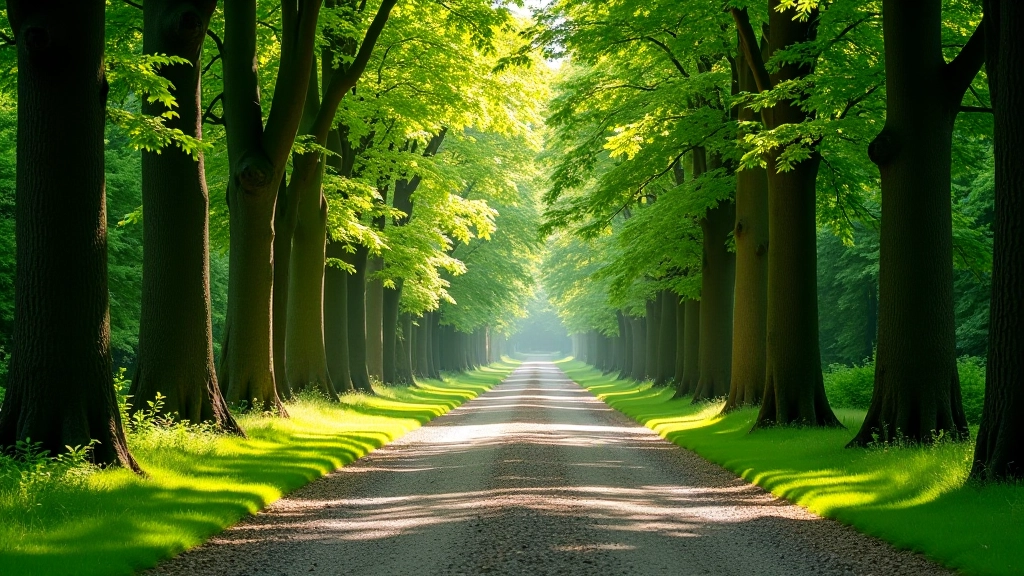
We won't pretend that every route here is pushchair-friendly. But the Woodland Edge Loop? That's genuinely suitable for families with young kids. The surface is gravel, well-compacted, and there aren't any steep climbs. You'll want sturdy shoes but nothing extreme.
The Lake Circuit works too if your kids are capable walkers (say, ages 5+). There are spots where you can stop and watch for ducks or herons. Bring snacks — there's nowhere to buy anything on the estate itself. Most families make this a 90-minute outing including breaks.
Don't attempt the Woodland Deep Walk with very young children. The paths get narrower, roots cross the trail, and if someone gets tired halfway through, you're still 30 minutes from the car park. Save that one for when they're older or you're walking without kids.
What You Need to Know Before You Walk
Surface & Terrain
Most of the main routes use gravel or compacted earth. It's solid underfoot when dry but can get muddy after rain — bring waterproof boots if you're walking in wet weather. The woodland sections have tree roots that cross the path. You won't trip if you're paying attention, but don't wear shoes that don't grip well.
Weather & Timing
The estate doesn't have shelters on the routes themselves. If rain's forecast, you're going to get wet. Winter walking is fine but can be dark by 4pm — bring a torch or headlamp if you're walking late afternoon. Spring and autumn are genuinely the best times. Summer gets busy on weekends.
Facilities
Toilets are available in the visitor area near the car park but not on the trails. There's no cafe or shop accessible from the walking routes. You'll need to bring water and any snacks you want. The car park has parking for about 60 vehicles and is free.

Wildlife You Might Encounter
You're walking through actual habitat here. The woodland supports red squirrels — you'll see them if you're quiet and lucky. More common are rabbits, which you'll spot in the open areas near the lake.
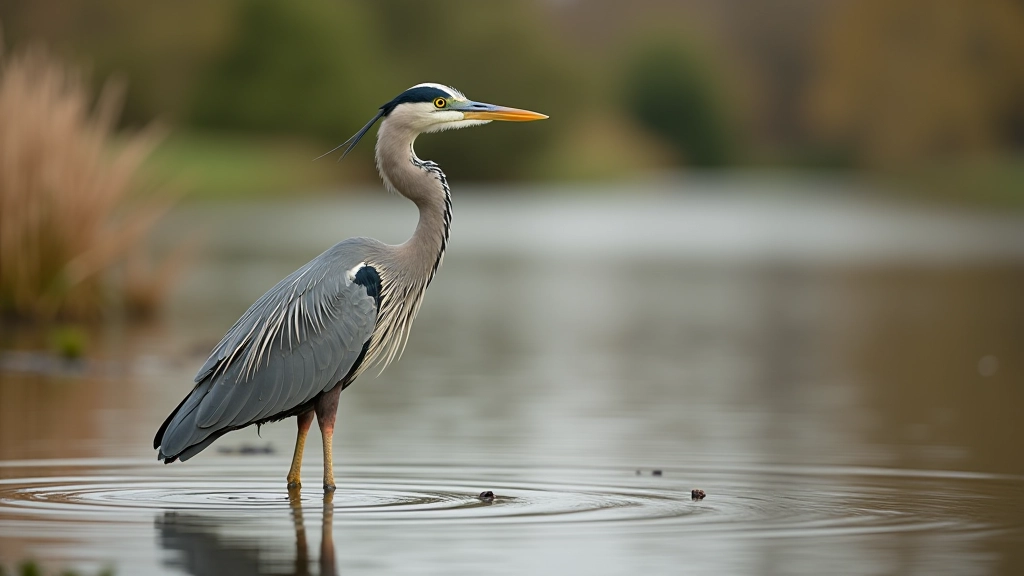
The lake itself is where the real activity happens. Herons are regular, especially in the early morning. You'll see mallards and other ducks year-round. In autumn, you might spot visiting species stopping over during migration. Don't expect to get close — most birds'll move away when they see you. That's fine. Respect the distance and they'll go about their business.
Keep an eye out for roe deer in the woodland sections. They're shy but they're there. Early morning or dusk are your best chances. The estate also has bats — you won't see them during the day, but they're active at dawn and dusk hunting insects over the open areas.
Information Note
This guide describes the walking routes as they currently exist. Trail conditions, accessibility, and facilities can change seasonally or due to maintenance work. Always check with the estate visitor centre before your visit for current conditions, especially in winter months. Weather can significantly impact trail safety — use your judgment about whether conditions are suitable for your group's experience level.
Making the Most of Your Visit
These routes aren't complicated. Pick one that matches your time and fitness level, wear appropriate shoes, bring water, and you'll have a genuine experience of the estate. The parkland here isn't manicured into perfection — it's working landscape with actual wildlife and real woodland character. That's what makes it worth walking.
Start with the Woodland Edge Loop if you're new to the estate. Once you know the area, you can explore the longer circuits. Don't rush them. These paths have existed for decades. They'll still be here next time you visit.